RETAIL
France’s BHV Marais Enters Receivership to Secure Recovery Plan: What It Means for Fashion Retailers and Homeware Specialists
BHV Marais moves into court-supervised restructuring to protect cash flow while pursuing a recovery plan with Brookfield, highlighting fragility and opportunities for French department stores amid brand debts and landlor
France’s BHV Marais Enters Receivership: A Signal for Fashion Operators and Homeware Segments
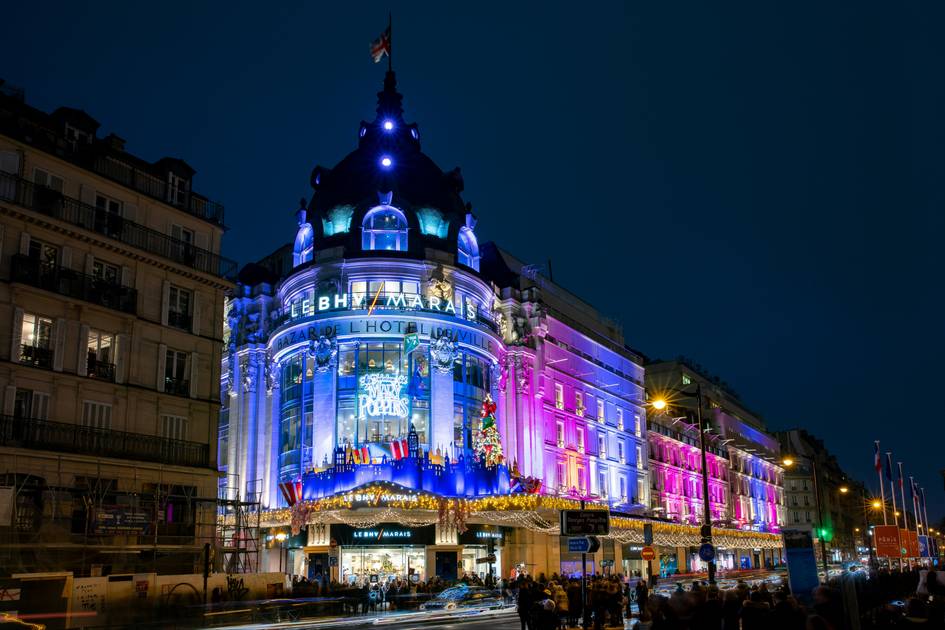
BHV Marais, the Paris-based department store known for its homeware and everyday-life proposition, has been placed under a court-supervised reorganisation process, or redressement judiciaire, after cash flow strains intensified during a peak season. The Paris economic activities court (TAE) granted the management’s request to enter receivership to secure a recovery plan. The store remains open as negotiations with Brookfield, the property owner, continue. The enterprise aims to renegotiate obligations with creditors and brands, and to stabilize operations while implementing a long-term revival strategy.
"These cash flow issues have undermined the best months of the year. We have a crucial period ahead of us," said Karl Stéphane Cottendin. Brookfield disputes the enforceability of compensation claims, adding complexity to the negotiations with the landlord.
KEY TAKEAWAY
What this signals for operators: court-supervised reorganisation can preserve experiential retailing and brand ecosystems during a difficult restructuring, but success hinges on credible liquidity plans and landlord alignment. For fashion and homeware operators, it underscores the fragility of peak-season cash flows and the leverage landlords hold in store viability.
The BHV case intersects with a broader dynamic in French retail: landlords and brands are pushing for clearer recoveries and longer-term commitments as department stores rely on steady brand collaborations to sustain footfall and attract premium French homeware savoir-faire. While the court protection is designed to prevent liquidation, it also creates a framework for negotiation with Brookfield, potentially enabling a more constructive restructuring timetable. The FFDPAPF (Fédération Française du Prêt à Porter Féminin) voice in the matter reflects industry pressure from brand partners, who demand timely settlements to avoid cascading store closures or delayed reorders.
- What happens next: a rapid refinement of a recovery plan with Brookfield, aiming to avoid liquidation while preserving as much of the store’s operations and brand partner commitments as possible.
- Implications for brand partners: push for secure settlements and clear terms to avoid reputational damage and disrupted launch calendars.
- Implications for operators: a test case for using redressement judiciaire to stabilize cash flows while protecting consumer-facing experiences.
- Strategic opportunities: potential to renegotiate leases, reengineer product assortments with clearer liveability and domestic craftsmanship focus, and accelerate omnichannel integration in a high-footfall environment.
From a merchandising and retail-tech perspective, the BHV development highlights the importance of liquidity planning, cost-to-serve optimization, and working capital discipline in department stores that serve as premium hubs for homeware and lifestyle brands. For luxury-inflected portfolios, the case reinforces the need for resilient contract structures with landlords and suppliers, as well as transparent, data-driven renewal strategies with tenants and brand partners.
Why this matters now: The French retail landscape has seen a wave of restructurings that test the balance between preserving iconic department stores and ensuring financial viability. BHV Marais’ approach—continuing operations under court supervision while finalizing a recovery plan—could become a blueprint for other high-visibility retailers facing liquidity challenges, particularly when a store sits at the intersection of luxury/homeware, urban culture, and experiential shopping.
The Paris court’s involvement and the landlord’s response will be critical to the store’s ability to protect its workforce, protect ongoing partnerships with brands, and maintain consumer confidence in the BHV Paris flagship. For fashion businesses and retail teams, the takeaway is clear: when cash generation falters, securing a structured path—rather than immediate liquidation—can preserve a platform for renewal, but only if all stakeholders align on a credible plan and a realistic timeline.